Glass Panel Heaters vs. Traditional Radiators: Which Is Best?
For decades, traditional radiators have been the familiar fixture beneath windows and along hallways. More recently, glass panel heaters, also known as electric wall heaters, have become popular alternatives, particularly in modern homes and renovations. But which option is best for you?
This comparison looks at comfort, health, costs and everyday living, helping you decide what suits your space.
Understanding the Basics
Traditional radiators are usually connected to a central heating system, relying on a boiler to circulate hot water. They do a good job of warming entire homes, but they can be slow to respond and offer less flexibility when it comes to controlling the heat.
By contrast, electric panel heaters are self-contained units. Often used as wall-mounted or freestanding plug-in heaters, they generate heat directly from electricity. Modern designs, such as slim flat panel radiators, are built to blend seamlessly into contemporary interiors while offering precise control.

Energy Efficiency and Running Costs
Features such as programmable schedules, precise thermostats, and timer functions on electric heaters help cut unnecessary energy use.
Electric heaters convert almost 100% of the electricity they use into heat at the point of use. While electricity can be more expensive per unit than gas, targeted heating can make a real difference. For instance, using an electric heater on a timer to warm a home office during the day can be more cost-effective than heating the entire house.
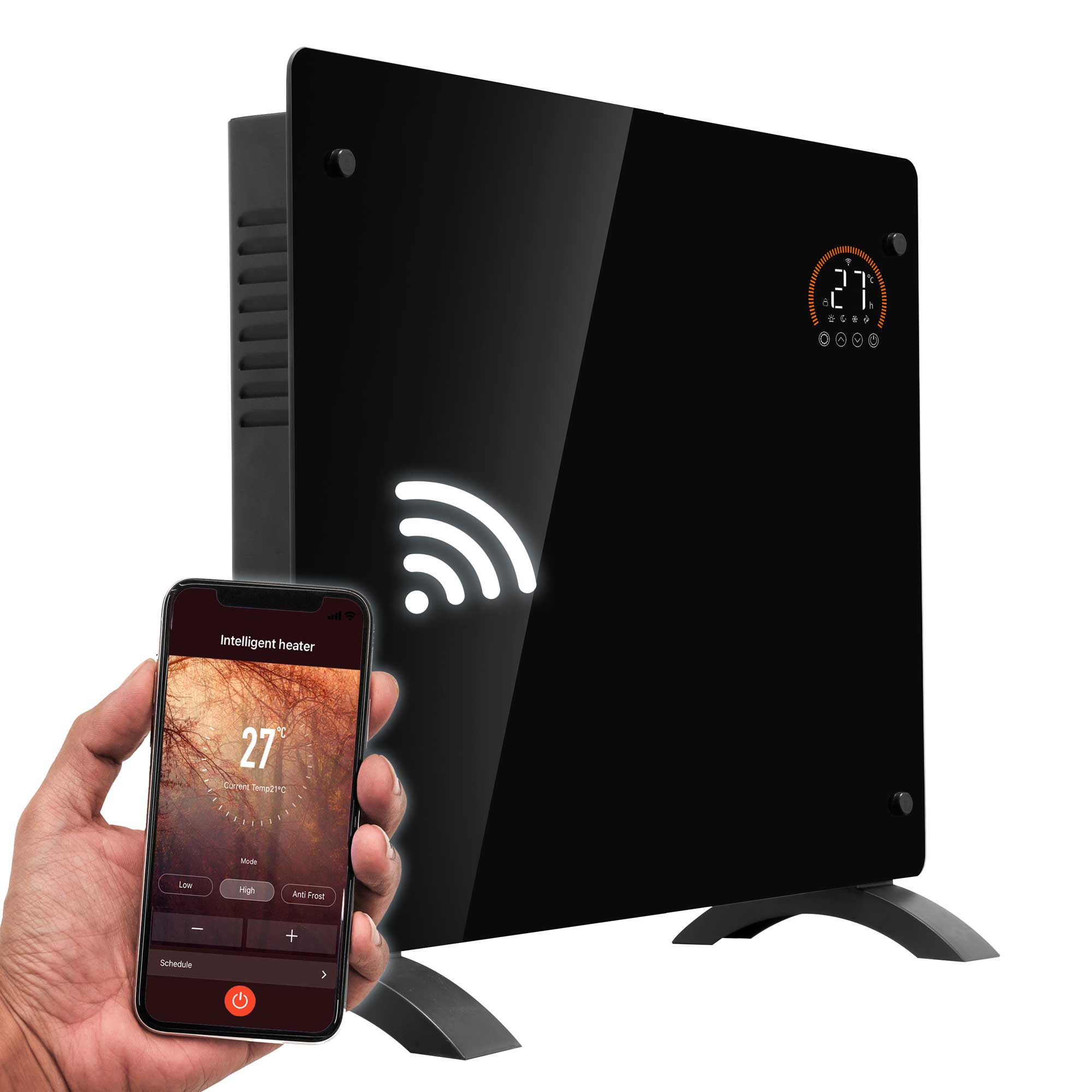
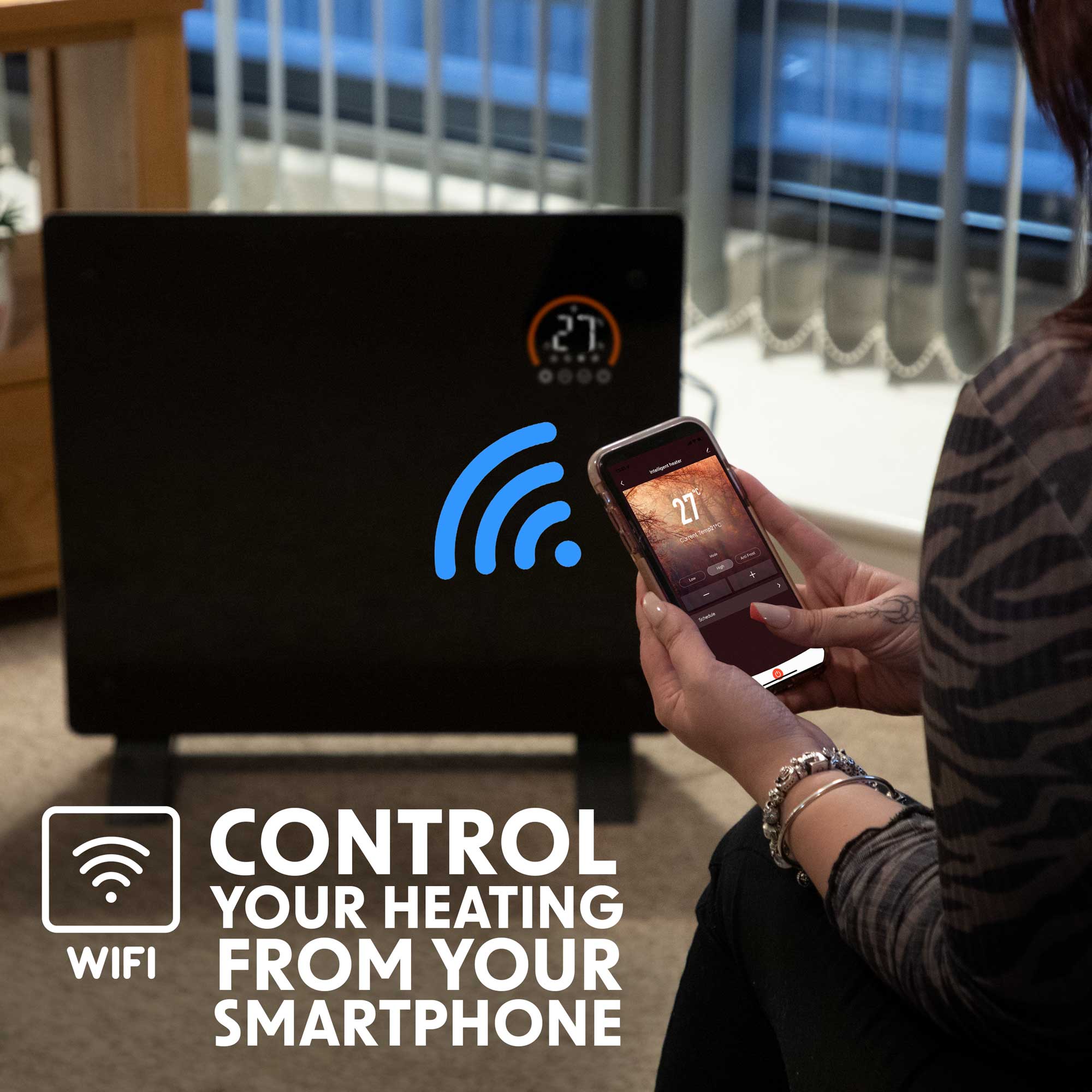
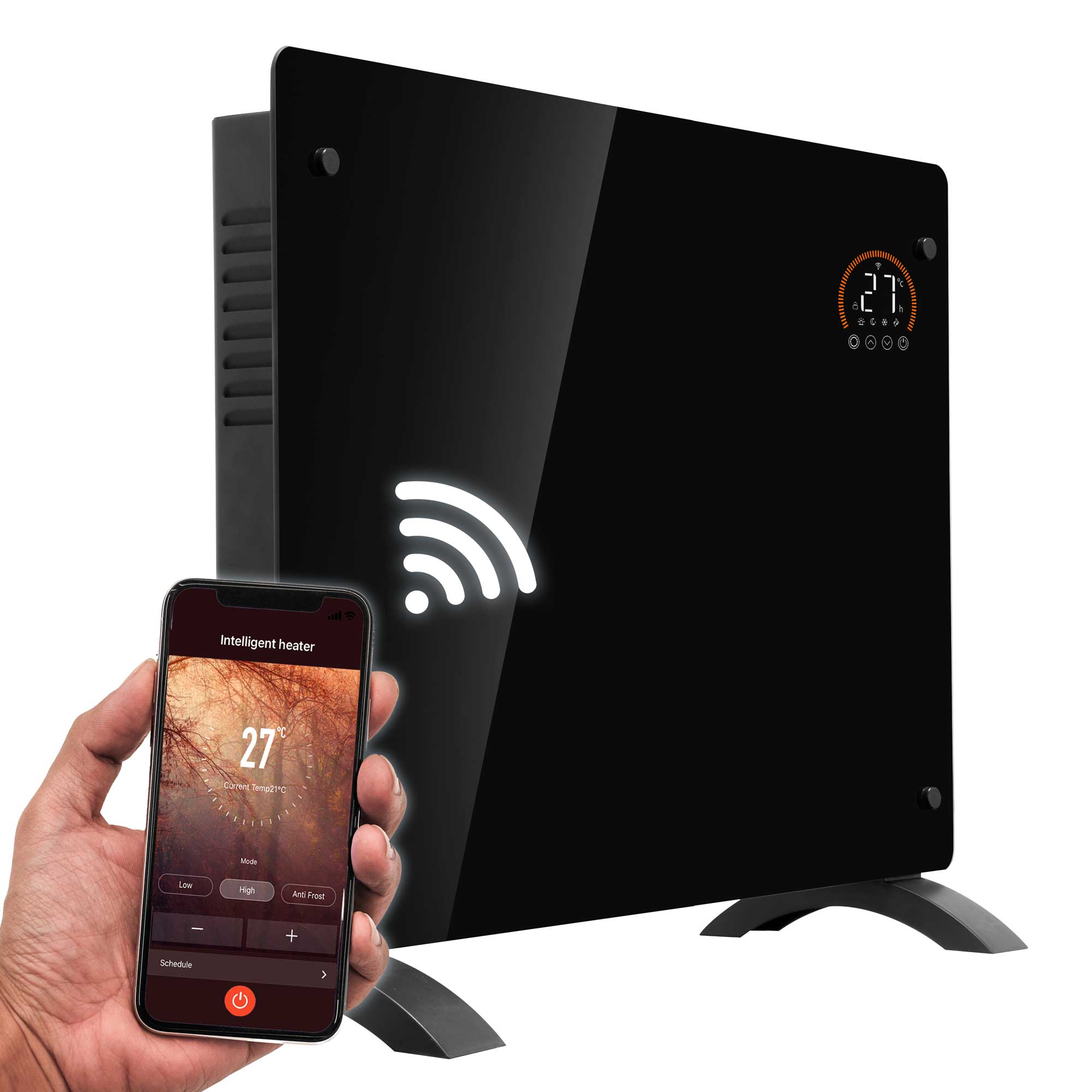
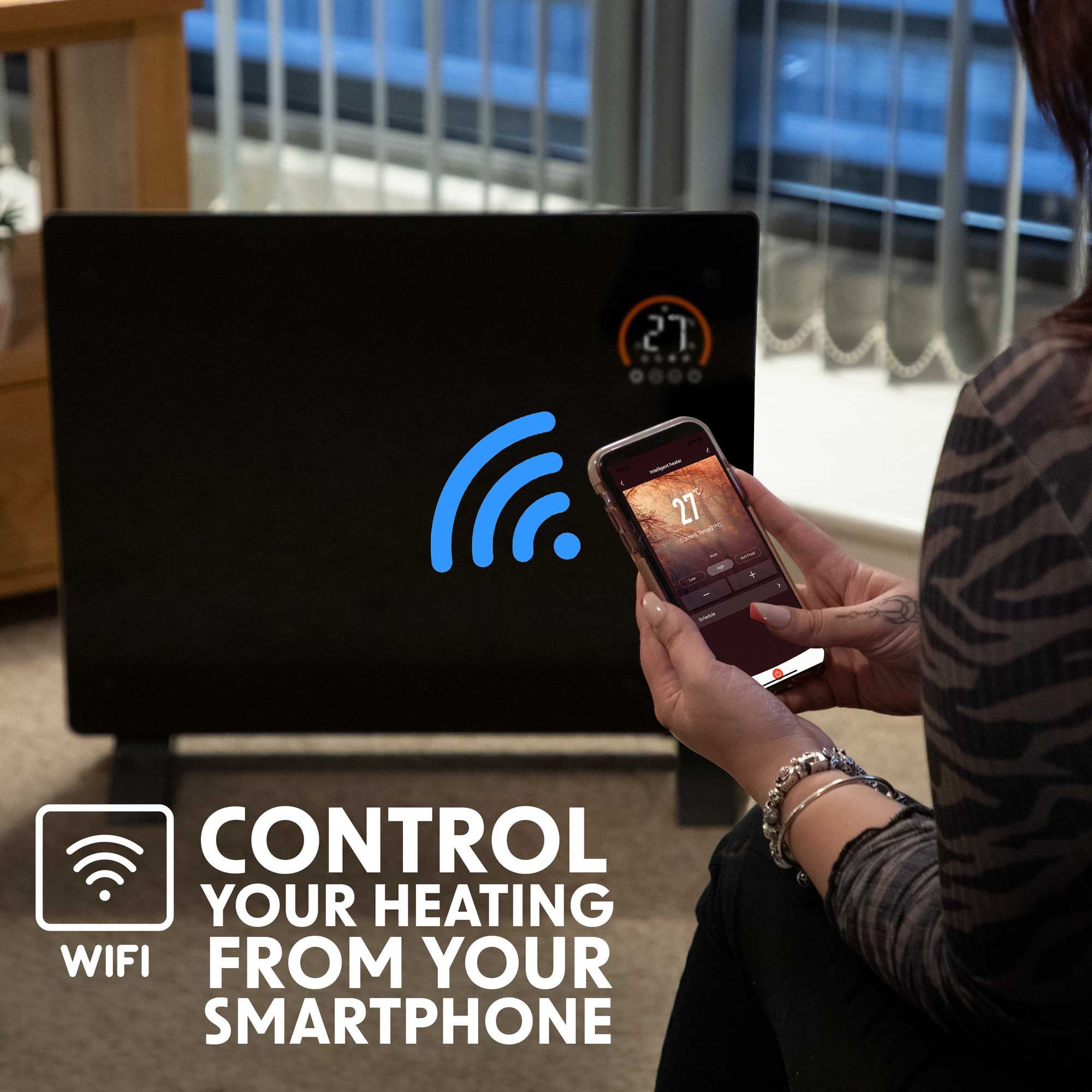
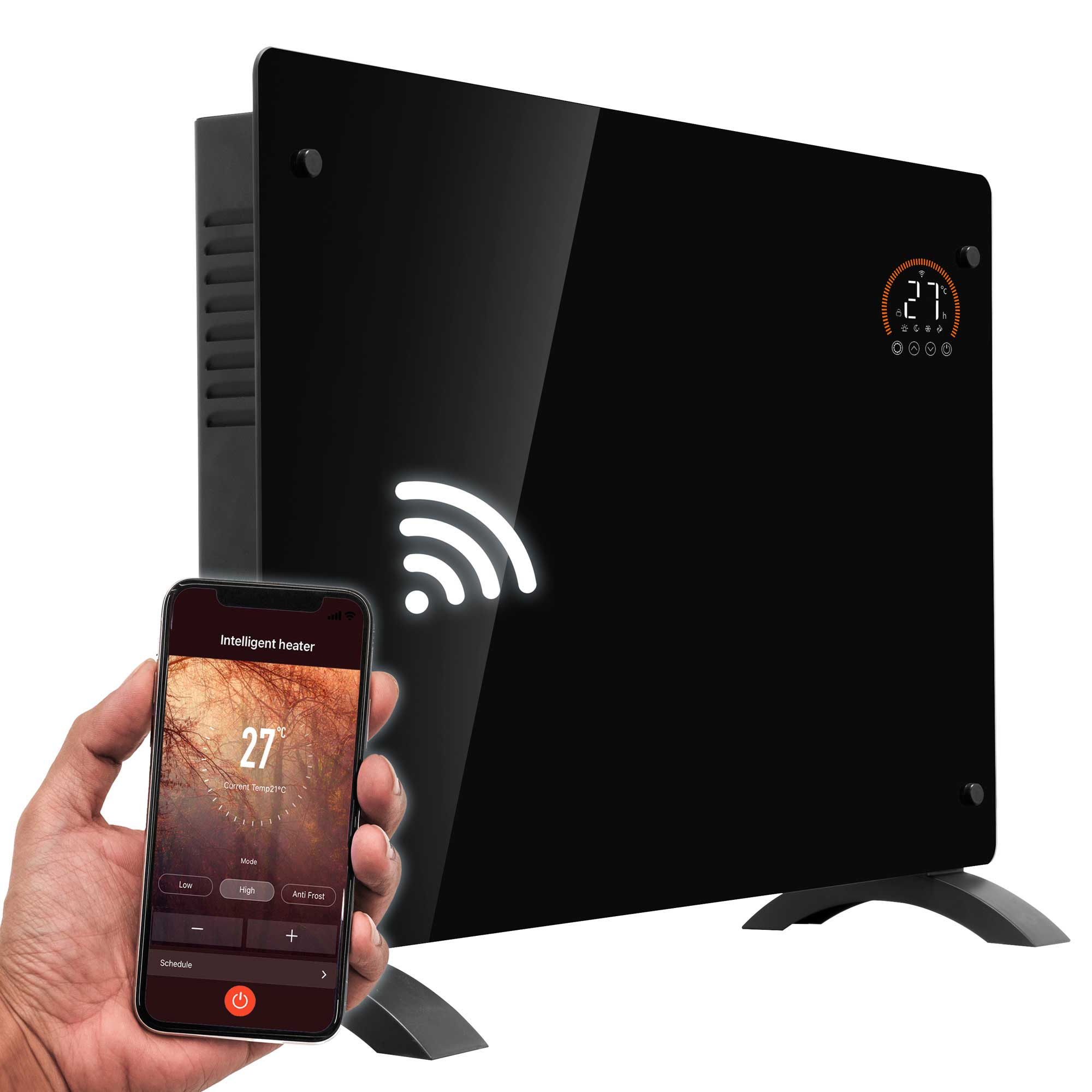
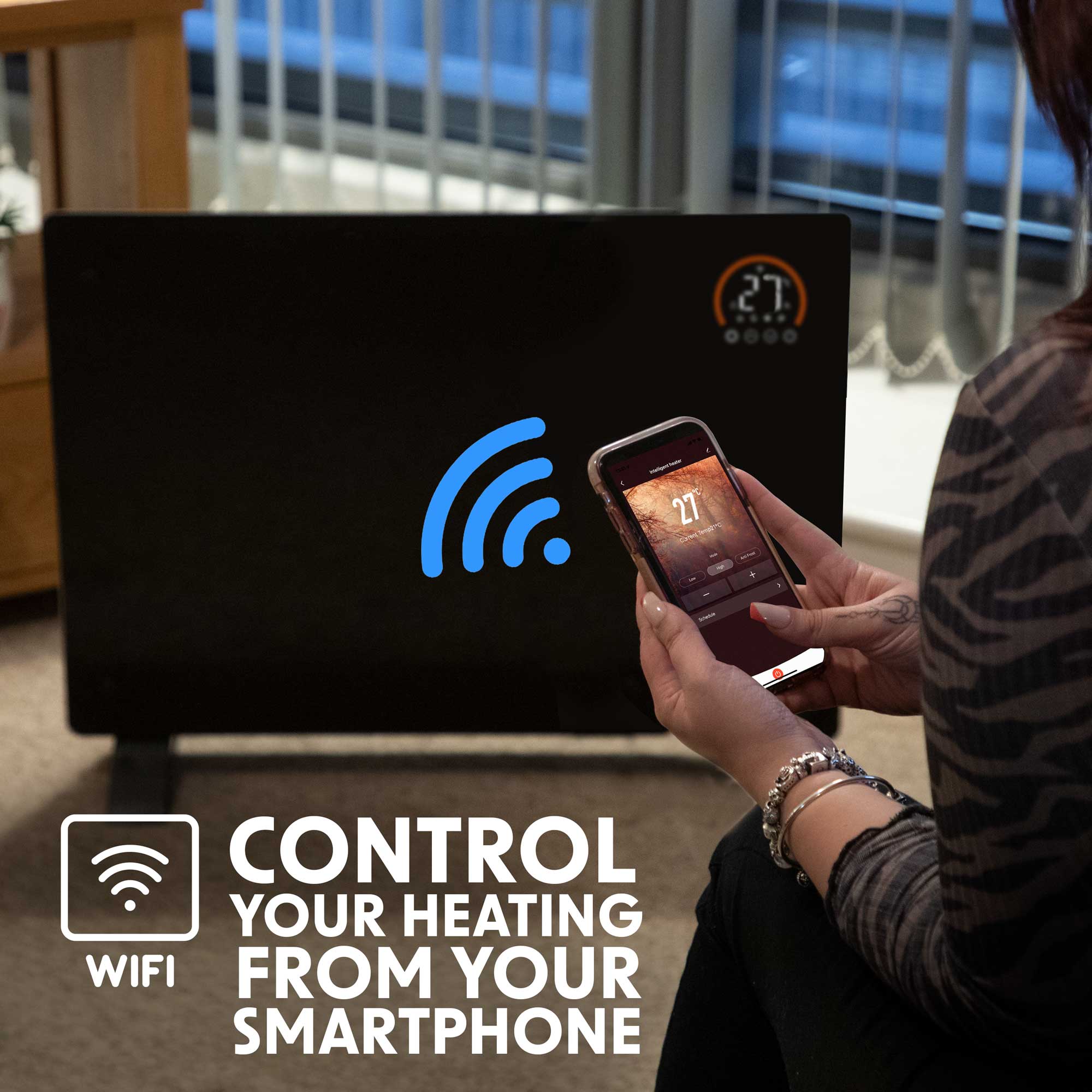
Smart electric heaters, including Wi-Fi models that connect to home control devices such as Alexa or a Google Home heater setup, allow rooms to be heated only when they are in use. This level of control is difficult to achieve with traditional radiators without major system upgrades.
Lifestyle and Everyday Use
Lifestyle plays a large role in choosing between these options. Traditional radiators suit households with consistent routines, where the home is occupied for long periods. They provide steady background warmth, ideal for family living rooms or older properties.
Glass panel heaters, however, suit more flexible living. In a spare bedroom, rented flat or garden office, a wall-mounted electric heater provides quick warmth without the need for plumbing changes.
Products such as the Dellonda 2000W Wi-Fi enabled electric glass panel heater fit neatly into this category. Features like app-based control, compatibility with Alexa and Google, weekly scheduling, eco mode and efficient heating for rooms up to 15m² make them easy to live with, rather than something you have to think about.

Health and Comfort Benefits
Heating can affect indoor air quality more than many realise. Traditional radiators rely on convection, which can circulate dust and allergens, while electric panel heaters distribute heat more evenly. This can reduce condensation and mould risk, which is linked to respiratory issues. Consistent indoor temperatures are recommended by the NHS, particularly for children and older adults.
Wall-mounted glass heaters also remove sharp edges and exposed pipework, contributing to safer and cleaner spaces. Their smooth surfaces are easy to clean, supporting better indoor hygiene.
Cleaning, and Maintenance
Anyone who has cleaned behind a traditional radiator knows how awkward it can be. Their shape traps dust, and maintenance often involves bleeding or checking the wider heating system.
Glass panel heaters have smooth surfaces that are easy to wipe clean, supporting a tidier, more hygienic home. Their minimalist appearance also suits modern interiors, where bulky radiators can feel visually intrusive.

Which Is Best?
Traditional radiators still suit larger homes with existing systems. However, for flexibility, modern design and intelligent energy use, glass panel heaters offer a compelling alternative.
The choice ultimately comes down to your lifestyle today, rather than how homes were heated in the past.