Trampoline Sizes Explained: What Fits Your Garden and Family Needs
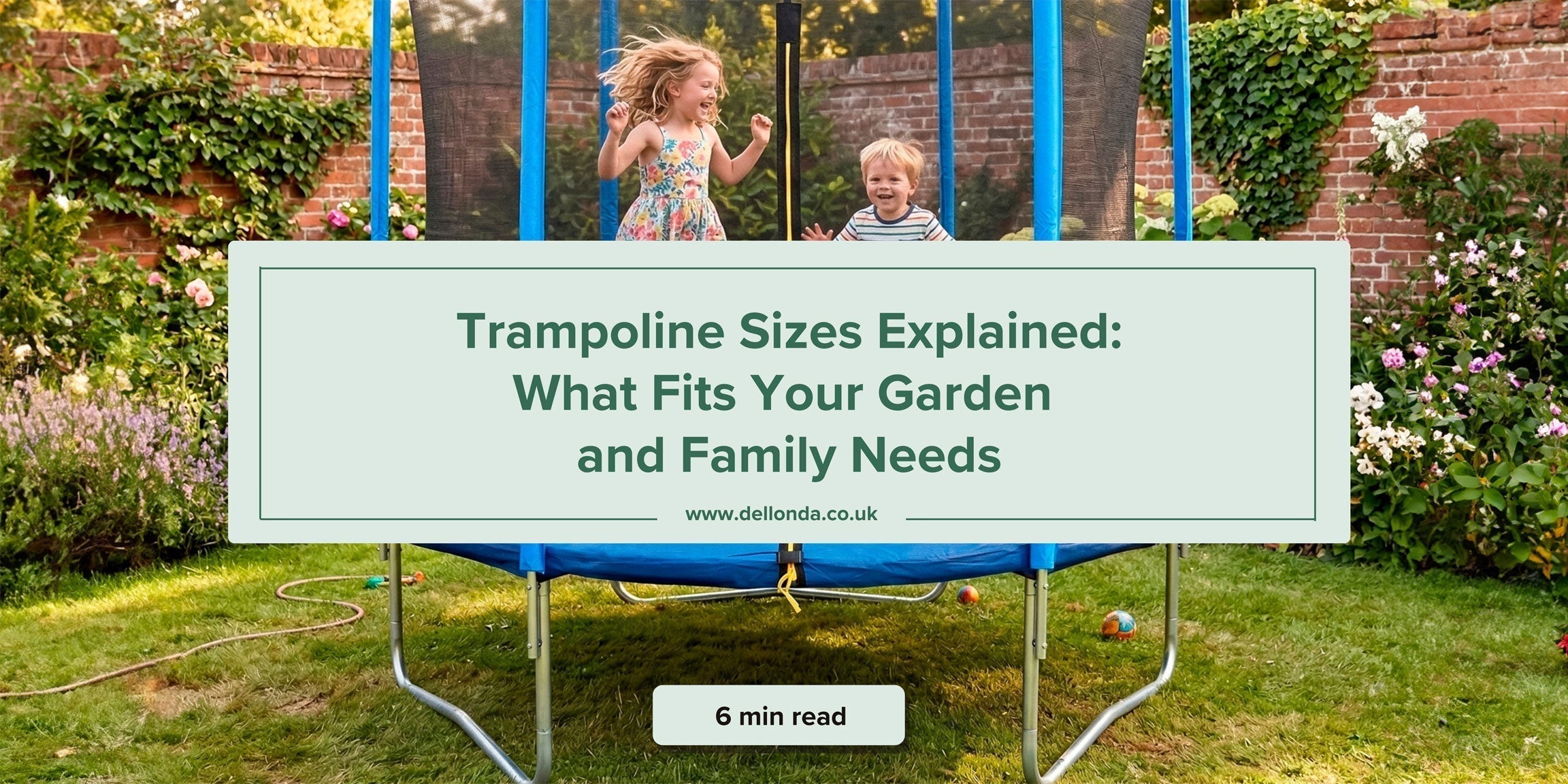
Choosing a trampoline for your garden means finding one that suits your household and your space. It should suit different ages, fit your garden comfortably, and deliver hours of shared enjoyment without adding unnecessary concerns. Trampolines have become one of the most popular ways to encourage outdoor play in British gardens, whether children are looking to bounce off some after-school energy or parents are joining in for a bit of weekend fun.
Whether you’re considering a mini trampoline for little ones, a compact 6ft trampoline for restricted spaces, a versatile 8ft trampoline for family use, or a spacious 10ft or 12ft trampoline to accommodate multiple jumpers, understanding the practicalities of size, weight limits, and garden layout will help you make a choice you’ll be happy with for years to come. In this guide, we’ll explore trampoline types and comparisons, highlight safety tips, and provide real-life examples to help you find the best trampoline for your home.

What Size Should You Choose?
One of the first decisions is understanding what size trampoline fits your garden and your family’s needs. There’s no single answer for everyone, but a few general guidelines can help you decide with confidence.
- Small Gardens and Younger Children: If you have a courtyard or limited outdoor space, a compact option such as a 6ft trampoline is often a sensible choice. It takes up less room and still offers plenty of fun for younger children.
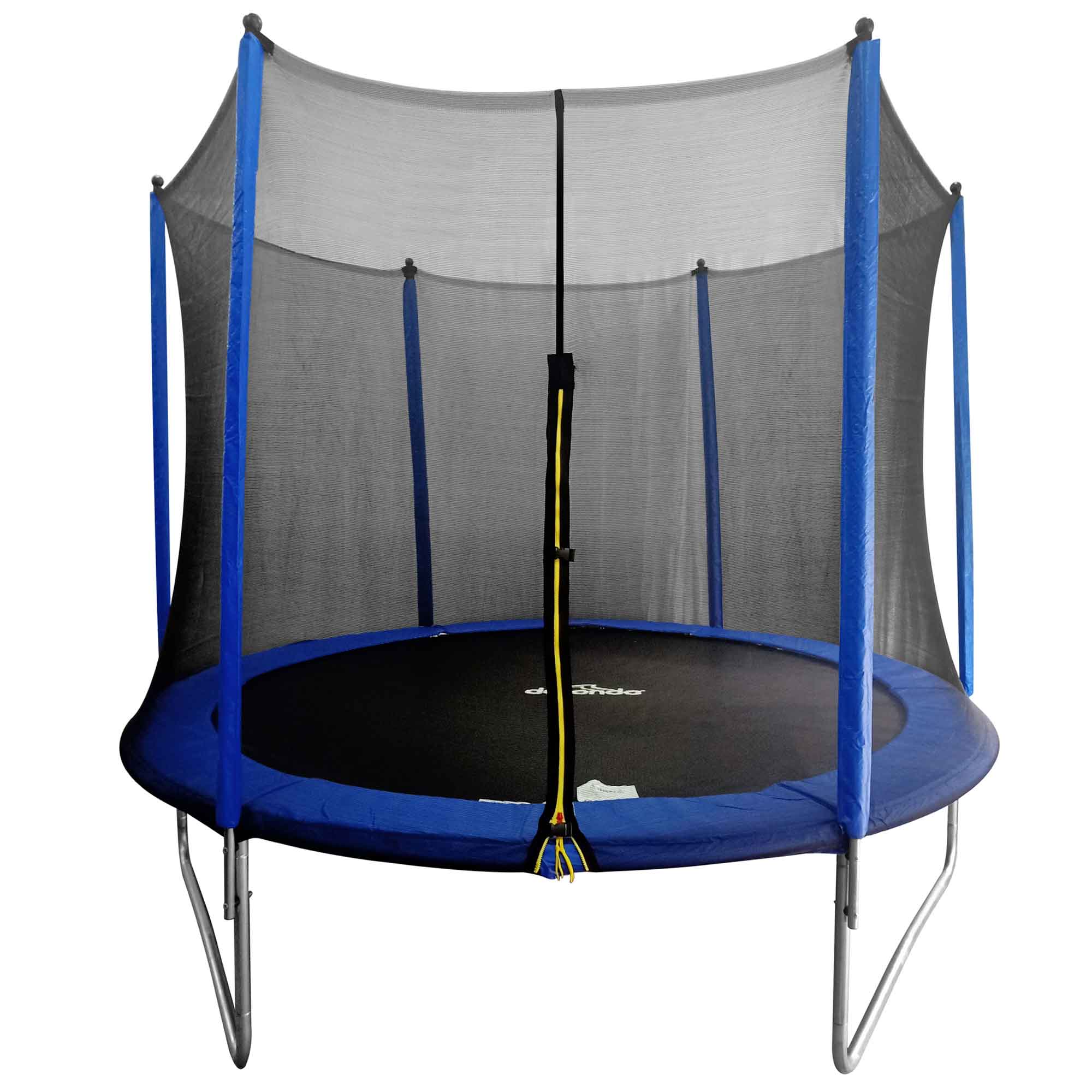
- Family Fun and Flexibility: For most outdoor areas, an 8ft trampoline strikes a good balance, giving enough space for energetic bouncing while keeping within most garden layouts. Models like the 8ft Heavy-Duty Outdoor Trampoline for Kids with Safety Enclosure Net - DL67 are sturdy, have safety netting and fit well in typical British gardens.
- Older Children or Multiple Users: If you have older children or want room for more vigorous jumping, consider a 10ft trampoline such as the 10ft Heavy-Duty Outdoor Trampoline For Kids with Safety Enclosure Net - DL68. This size offers a larger jumping surface and a stronger bounce, making it a good trampoline choice for families who want something that can grow with their children and handle years of energetic use.
- Maximise Space and Strength: Larger gardens may suit a 12ft trampoline like the 12ft Heavy-Duty Outdoor Trampoline for Kids with Safety Enclosure Net - DL69. With a higher weight limit and wide jumping mat, it can accommodate adults as well, encouraging collective fun.
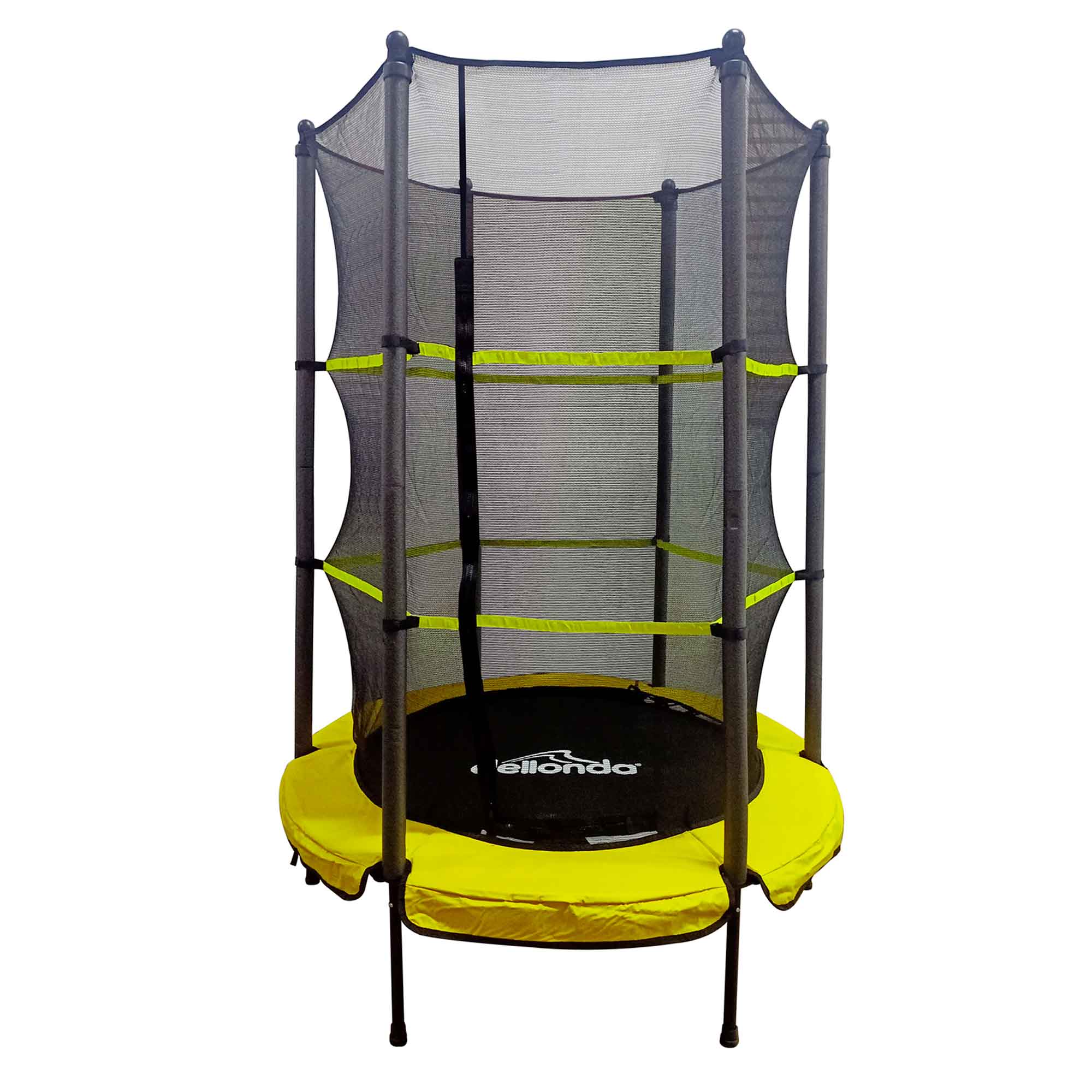
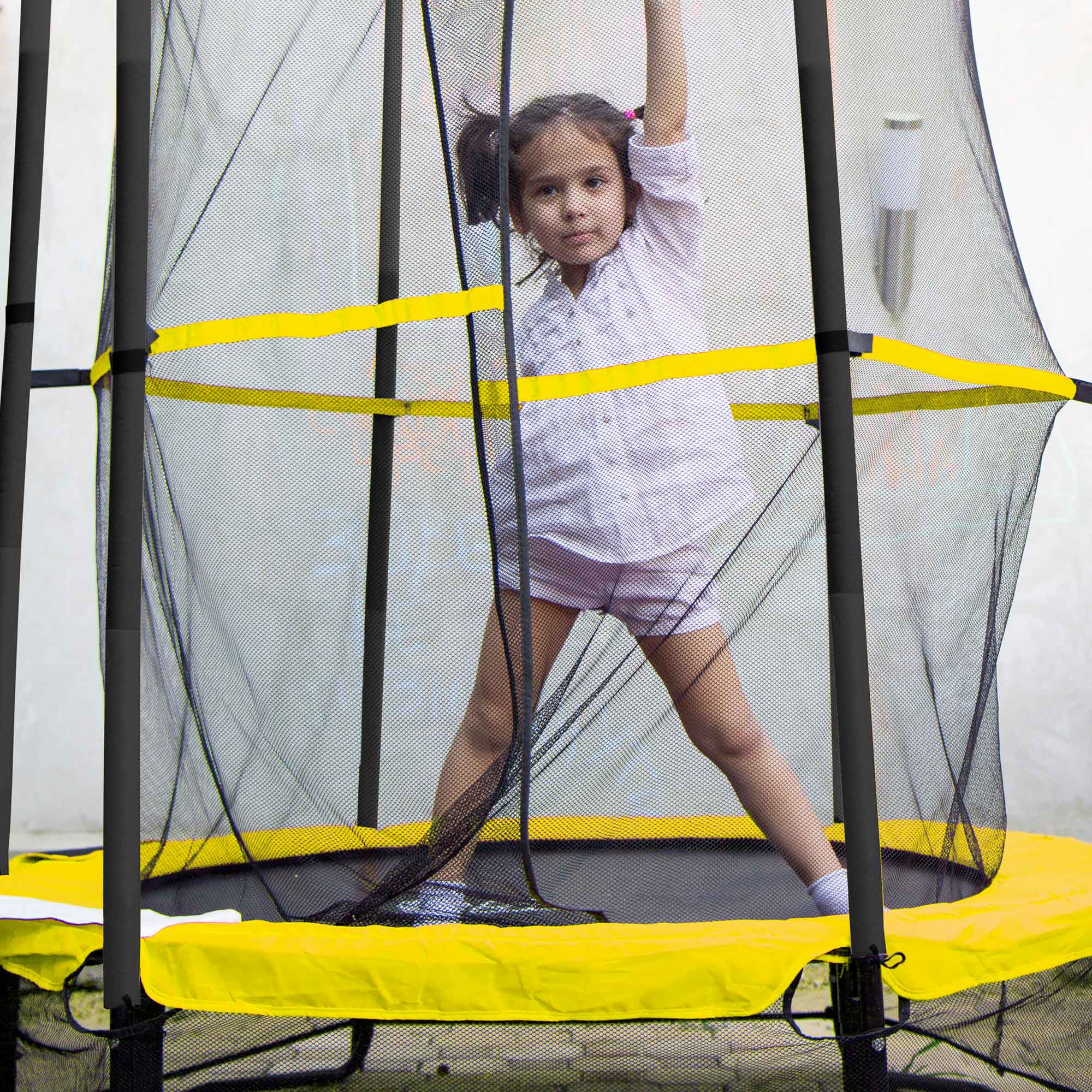
- For Younger Ones: A mini trampoline such as the 55" Kids Mini Trampoline with Safety Enclosure Net - DL65 is ideal for children aged about three to eight. Because it uses elastic ropes instead of metal springs, it’s easier for small children to control and can be used both indoors and outdoors.
When assessing whether you have enough room for your chosen trampoline size, you must also consider the space around it. To reduce the risk of accidents and allow room to dismount safely, experts suggest leaving clear space all around, free from walls, fences, or garden furniture.

Trampoline Safety and Age Considerations
One common question parents ask is: Are trampolines safe for children? The short answer is that trampolines are safe when used responsibly, but they do carry risk like many outdoor activities. Most serious injuries happen when multiple children jump together or try flips without supervision.
The recommended age to start regular use of a full outdoor trampoline is around six years old. Younger children may enjoy a smaller low-impact trampoline designed for early years, but always supervise their play and ensure safety features are in place.
Trampoline Safety Tips Every Parent Should Know
1. One jumper at a time: This reduces collisions and helps keep play calm as children negotiate turns.
2. Always use safety netting and padding: A trampoline with safety net helps prevent falls and protects against contact with springs. Ensure the zip is fully closed when using the trampoline.
3. Install on level ground: Uneven surfaces make accidents more likely. A flat lawn is usually ideal.
4. Add anchors: Ground anchor kits help secure larger trampolines like 10ft or 12ft models in windy weather.
5. Regular checks: Inspect nets, frames, and springs regularly for wear and tear.

How Much Weight Can a Trampoline Hold?
Most garden trampolines list a maximum user weight. For example, smaller models like an 8ft trampoline typically support up to around 50kg, while larger options such as a 12ft trampoline might handle up to 150kg. This means the larger models are better suited for families where adults join in or where there are multiple children of varying sizes.
Round vs Rectangular Trampolines
Most garden trampolines are round, and that’s for good reason: their design naturally encourages jumpers back towards the centre of the mat, making them a popular choice for general family use. Rectangular trampolines provide a more consistent, powerful bounce and are often preferred by gymnasts or those seeking higher performance, but they typically require more space and careful supervision.
Matching the right size to your garden and your family’s needs can make a big difference in how much enjoyment and use you get out of your trampoline. Whether it’s for regular after-school fitness or a weekend rally of family fun and laughter, a good trampoline brings your outdoor space to life.